


Conversion in progress ...
Please wait while we generate your PDF
Buying in Williamson and Maury County
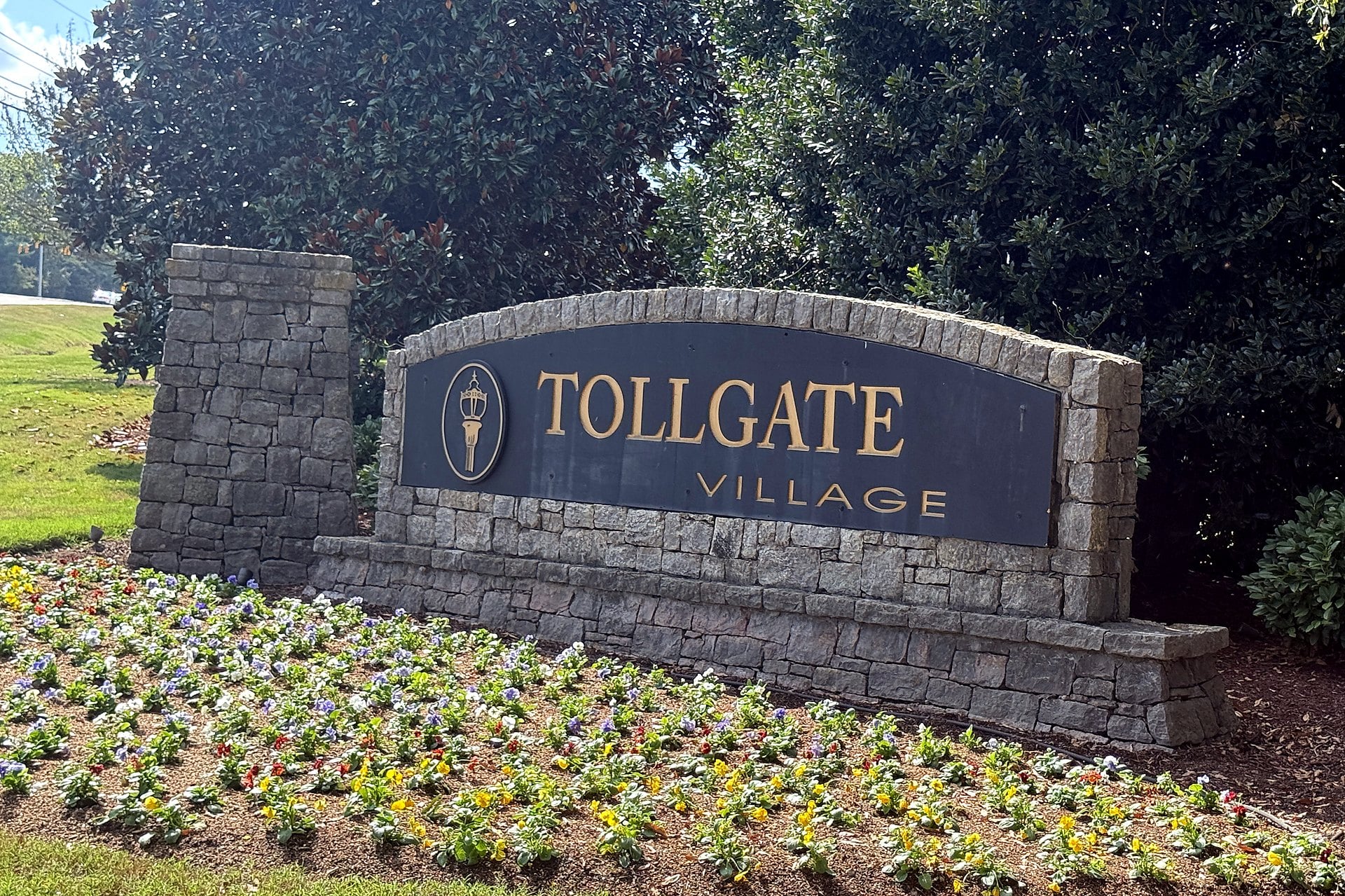
Start with the county line, not the kitchen
Two houses can both say "Spring Hill, TN 37174" on the mailbox and sit in different counties. Spring Hill straddles Williamson and Maury. Thompson’s Station and Franklin are all Williamson, Columbia is all Maury, but the addresses blur: some Franklin 37064 and Thompson’s Station 37179 addresses are inside Spring Hill city limits, and Fairhaven carries a Thompson’s Station address from unincorporated Williamson County.
The county decides three things before you have seen the house: your county property tax rate, your school district, and which government you deal with. Spring Hill’s own city tax is the same on both sides, $0.739 per $100 of assessed value. The county rate is what moves: Williamson County charges $1.27 per $100 inside Spring Hill city limits (2025 rate chart, unchanged in the 2026 column), and Maury adopted $1.369 for 2026-27 after its reappraisal. Tennessee assesses a home at 25 percent of appraised value, so the gap on a $400,000 appraisal is real money every year, not a rounding error.
I run every address through the Census geocoder before we tour. It takes a minute and it names the county. Do not trust the listing sheet on this, and do not trust the ZIP.
Property tax figures are the county and city rates published for the year shown and are for planning only. Your actual bill depends on the assessed value, any exemptions and the city or district the home sits in. Confirm with the county assessor or trustee and your tax professional before you rely on a number.
The three numbers I want before we tour
Your payment, not your approval. A lender will tell you the most you can borrow. I want the monthly number you are comfortable with, taxes and insurance included, and we shop under it.
The tax bill on that side of the line. County plus city, on 25 percent of the appraised value. Inside Spring Hill that is two bills, one from the city and one from the county trustee.
The HOA, if there is one. Dues, what they cover, and the transfer fee at closing. Townhome and villa HOAs cover exterior and grounds work, so the dues run higher and they are not a mark against the home. Some established neighborhoods here carry no dues at all. I pull the figure on the specific home, never a neighborhood average.
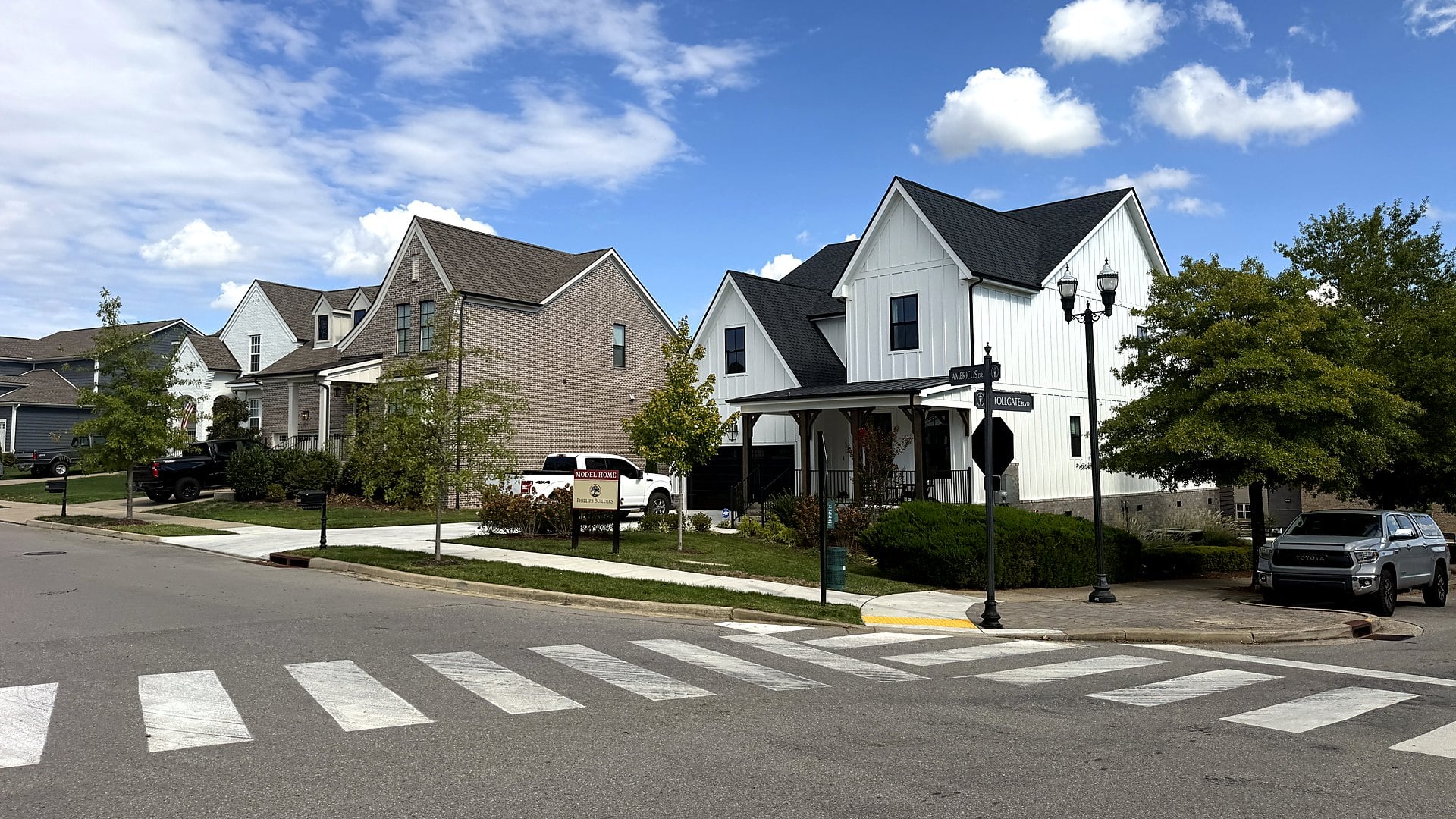
Loans, in the order I’d price them
Do not pick a loan first and a house second. Have the lender run these side by side at the same price.
- Conventional. The baseline. Less than 20 percent down is fine; you carry mortgage insurance until you have the equity. With strong credit it is often the cheapest loan over time.
- FHA. As little as 3.5 percent down, with FHA mortgage insurance in the payment. Compare the whole monthly number, not the rate.
- VA, if you have served. No down payment as long as the price is not above the appraised value, no private mortgage insurance, and a funding fee unless you are exempt. I am a Coast Guard veteran, so I will admit this one is close to my heart.
- THDA Great Choice. Tennessee’s own program, layered on an FHA, VA, USDA or conventional loan. In Williamson and Maury the purchase price limit is $500,000, there are household income limits, a 640 credit score floor, and down payment help that is forgivable after ten years or, on new construction, up to $25,000 as a second mortgage. A homebuyer education class is required for the help. Check the current program terms with THDA.
- An assumption, the sleeper. Some homes for sale carry the seller’s FHA or VA loan at a rate far below today’s, and you can take it over. You still qualify, and you cover the gap between the loan balance and the price. On October 16, 2026 the 30-year fixed average was 7.33 percent per Mortgage News Daily, so a 3 percent loan on a $400,000 balance is worth about $1,064 a month. I keep a running list of assumable homes in Middle Tennessee.
Rates, APRs, buydowns and builder incentives on this page are published by the builder or lender named, were read on the date shown, and can change or end without notice. They are not an offer of credit from me or eXp Realty, and I am a licensed Realtor (TREC 369038), not a mortgage lender. Confirm the current terms, APR, eligibility and any lender requirement in writing with the builder or lender before you rely on them.
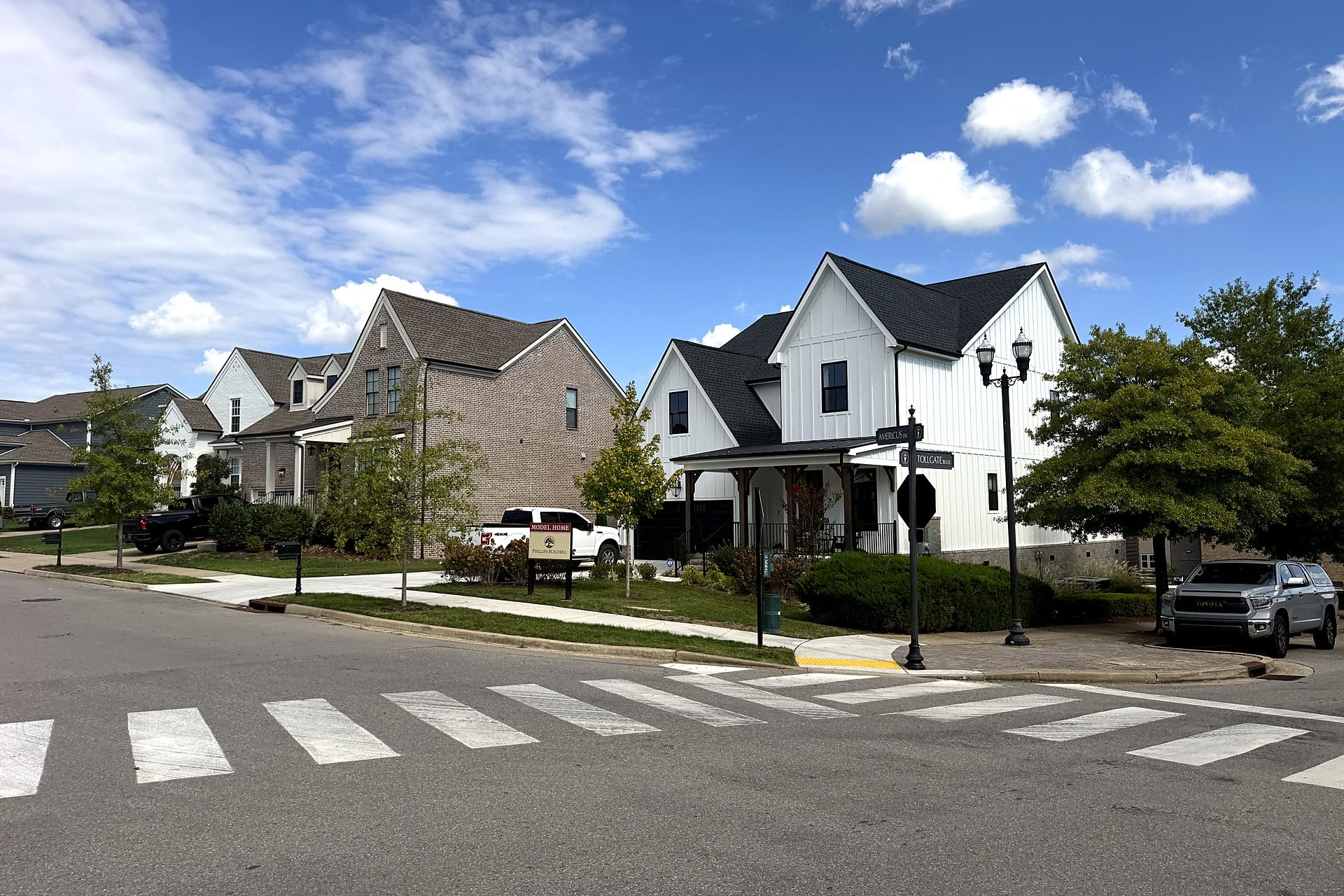
New construction or resale
New construction. Builders here run incentives that change weekly: price cuts, rate buydowns, closing cost money. Most of the rate and closing cost offers come with one condition, that you use the builder’s own lender. Sometimes that is a great deal and sometimes an outside lender beats it, and you will not know until you price both. The sales office works for the builder, not for you. Register me as your agent on your first visit, before you sign anything, and I will read the incentive sheet and the contract with you and check the school zone on your exact lot.
Resale. The house is finished, the trees have grown in, and what you see is what you get. Sellers can pay toward your closing costs too, and only a resale home can come with an assumable loan. The trade is age, so the inspection matters more: roof, HVAC, water heater, windows, and the sewer line on an older street.
What is actually in the offer
A Tennessee purchase contract is more than a price. The pieces I negotiate for you:
- Earnest money. Your deposit, held by the title company, credited back at closing.
- The inspection period. A set number of days to inspect and ask for repairs or a credit, or walk away.
- The financing contingency. If the loan falls through for a reason that is not yours, you are protected.
- The appraisal contingency. If the lender’s appraisal comes in under the price, you have options instead of a problem.
- Seller-paid closing costs. Common here, and the amount depends on the loan type and the market that month.
- The closing date. On a financed purchase, ask your lender for the current timeline from contract to keys.
The what-ifs
Can you back out? During the inspection period, yes, for any reason, and your earnest money comes back. After that, the contingencies decide it.
The appraisal comes in low. You can renegotiate the price, bring the difference in cash, split it with the seller, or, if the appraisal contingency is in your contract, walk away with your deposit.
The inspection turns something up. You ask for repairs, ask for a credit at closing, accept it as is, or leave. I will tell you which of those I would do on that house.
The builder’s closing date slips. Lock periods and move-out dates have to flex. We plan for it in the contract instead of discovering it in month five.
From contract to keys
Pre-approval, the search, the offer, inspection, appraisal, final walkthrough, closing. I walk every client through that list in order at our first meeting, so none of it is a surprise later. Then it is the title company, the wire instructions (which you confirm by phone, never by email alone), and the keys.

Your free buyer consultation
Before you tour a single house, we sit down. It is free. We cover:
- What is going on in the market right now, and whether you are walking into a buyer’s market or a seller’s market on your side of the county line.
- A little about me and how I work.
- The whole process, from that meeting to the keys in your hand.
- The what-ifs above, before you are standing in one of them.
- A lender in the room, if you want one, to check first-time buyer programs and grant money and to pin down the price that fits your budget.
Reach out by DM, text, or call 615-392-1186.