


Quick answer: Yes, you can buy a home in Spring Hill, TN and take over the seller's mortgage, rate and all, when the loan is an FHA or VA loan. Spring Hill has a lot of them because so much of the city was built and bought in the last 15 years, when rates were far lower than today. You take over the remaining balance, you cover the difference between that balance and the price (the equity gap), and the seller's loan servicer has to approve you before you close.
Some of the homes for sale in Spring Hill come with a mortgage already attached.
Not a teaser rate. Not a builder buydown that runs out in year three. The seller's own FHA or VA loan, at the rate they locked years ago, and the next buyer can take it over.
That's an assumable mortgage. Spring Hill has a lot of them, and it isn't an accident. Here's how they work, why this town has so many, what they really cost, and how I find them every week.
What an assumable mortgage is, in one screen
When you assume a mortgage, you buy the house and take over the seller's existing loan. You get their remaining balance, their rate and the time left on their term. You don't take out a new first loan at today's rate.
Three things to know up front:
- The loan type decides it. HUD's own handbook says it in five words: all FHA-insured mortgages are assumable. VA loans are assumable too, and you don't have to be a veteran to assume one. Most conventional loans aren't.
- You still have to qualify. The servicer checks your credit and income the same way a lender would. On an FHA loan, HUD doesn't allow private investors to assume, so plan on living in the home.
- You have to cover the gap. You only take over what the seller still owes. Everything between that balance and the price is the seller's equity, and it's due at closing.
That third one is where most deals live or die. I'll come back to it.
Why Spring Hill has so many
Spring Hill is young. According to Point2Homes, about 38% of the city's homes were built between 2010 and 2019, and another 8.9% have been built since 2020.
Think about what that means. A big share of the people who own here bought, or refinanced, in years when mortgage rates were far lower than they are today. That's especially true of anyone who bought or refinanced in 2020 and 2021, when rates sat near the lowest levels most of us have ever seen.
Now add the loan type. When an owner from those years used an FHA or VA loan, that loan is assumable. Every FHA-insured loan is, and VA loans are too. So when that owner sells, the low rate can go with the house.
You won't see a sign in the yard that says so. But the pattern is baked into the housing stock, and it isn't going anywhere.
The equity gap, and how buyers bridge it
The gap is the price minus the loan balance. It's the number that decides whether an assumption works for you.
Here's an example with round numbers. This is an illustration, not a real listing.
Say a seller bought in 2021 with a $340,000 loan at 2.75%. Five years of payments later, the balance is about $300,900, and the principal and interest payment is about $1,388 a month. They list the house at $475,000.
- What you'd take over: about $300,900, at 2.75%, for the rest of the original term.
- Your payment on that loan: about $1,388 a month in principal and interest.
- The gap you'd need to cover: about $174,100.
That's real money. A seller who bought five years ago has paid down principal and usually picked up appreciation on top of it. They're not handing that equity to you.
Here's how buyers cover it, and you can combine them:
- Cash. Savings, the proceeds from selling your current home, or both.
- A second loan behind the assumed one. I work with a lender who can finance a good chunk of the gap with a separate second loan. On a VA assumption, the VA's 2024 rules allow a second loan as long as it sits behind the VA loan, you take no cash back, and its payment counts when the servicer qualifies you. The second loan's rate can be higher than the first.
- The price. An assumable loan is worth something to a buyer, and some sellers know it. But the gap is the gap. What matters is the blended payment on both loans compared to one new loan on the whole price.
That last comparison is the one I run before you write an offer. If the blended payment doesn't beat a new loan by enough to justify the cash you're bringing, I'll tell you to pass.
One more VA wrinkle. If you're not a veteran substituting your own entitlement, the seller's VA entitlement stays tied to the loan until it's paid off. A veteran seller who needs that entitlement for their next home may care about that as much as price. I break that down in the VA entitlement decision every veteran seller faces.
The servicer timeline
On an assumption, the approval comes from the seller's loan servicer, not from a lender you picked. Servicers have deadlines, and they're slower than a normal purchase.
- VA: a servicer with automatic authority has 45 calendar days from a complete application to approve or deny you. Without that authority, it has 35 days to send your file to the VA, and the VA has 10 business days to decide.
- FHA: HUD's current handbook doesn't set a deadline. The servicer's Direct Endorsement underwriter has to underwrite you by hand, and it takes as long as it takes.
On VA, the word doing the work is complete. That clock doesn't start until the servicer has everything, and on FHA there's no clock at all. Get your paperwork together before you're under contract.
Then there's real life. Some Tennessee FHA loans were made through THDA, the state housing agency. On those, THDA's servicer has told me in writing that it isn't an FHA Direct Endorsement underwriter, so a separate FHA lender has to underwrite the assumption on a loan it will never own. You also have to meet THDA's own rules: first-time homebuyer, income limits, debt-to-income, credit and owner occupancy. On one of those files, the THDA fees ran about $3,500, paid in cash, not rolled into the loan.
I have one of these going right now just south of here in Columbia.
So here's my rule. On an assumption, I find out who services the loan and what program it came from before you write the offer, and we set the closing date around the servicer, not around the calendar you wish you had.
What it costs on a VA loan: the VA caps the assumption processing fee at $300, allows an approved location-based fee on top of that, and charges a 0.5% funding fee on the balance, paid in cash at closing, unless you're exempt. Anything not on the VA's list can't be charged to you. FHA servicer fees vary, so I get the number from the servicer in writing.
How I find them: the weekly list
Assumable loans are easy to miss. The listing may not mention it. The seller may not know it's worth mentioning.
Here's proof. Earlier this year a house in Columbia sat 158 days with another agent and didn't get an offer. When the sellers came to me, I looked at their mortgage. It was a 3% FHA loan, and it was assumable. We rebuilt the marketing around that loan and had it under contract in six days, over asking price.
So every week, I search Williamson County and Maury County listings for assumable loans at 4.5% or lower. I check each one against the MLS, and when the listing agent says yes, I feature some of them in my Assumable Mortgages of the Week videos.
If you're shopping in Spring Hill, you don't have to wait for a video. Tell me your price range and which side of the county line you want, and I'll send you what's on my list. I'll also check any Spring Hill house you already like, because the county matters here too. Taxes and school district change at the line, and an assumed loan doesn't change either one. Here's how the Williamson and Maury sides of Spring Hill compare.
For the bigger picture on FHA, VA and conventional loans across the area, start with assumable mortgages in Middle Tennessee. When you find one you want, read how to find and win an assumable home before you write the offer. And for everything else about the city, my Spring Hill area guide is the place to start.
When an assumption makes sense
It's a strong move when:
- You have the cash for the gap, or you're comfortable with a second loan behind the first.
- You'll live in the home.
- Your closing date can flex while the servicer works.
- The blended payment beats a new loan by enough to matter to you.
If those line up, a 2% or 3% loan on a Spring Hill house is hard to beat. If they don't, I'll show you what else works.
Text or call me at 615-392-1186. Tell me your price range and I'll send you the Spring Hill homes with assumable loans on my list right now.
Text or call 615-392-1186.
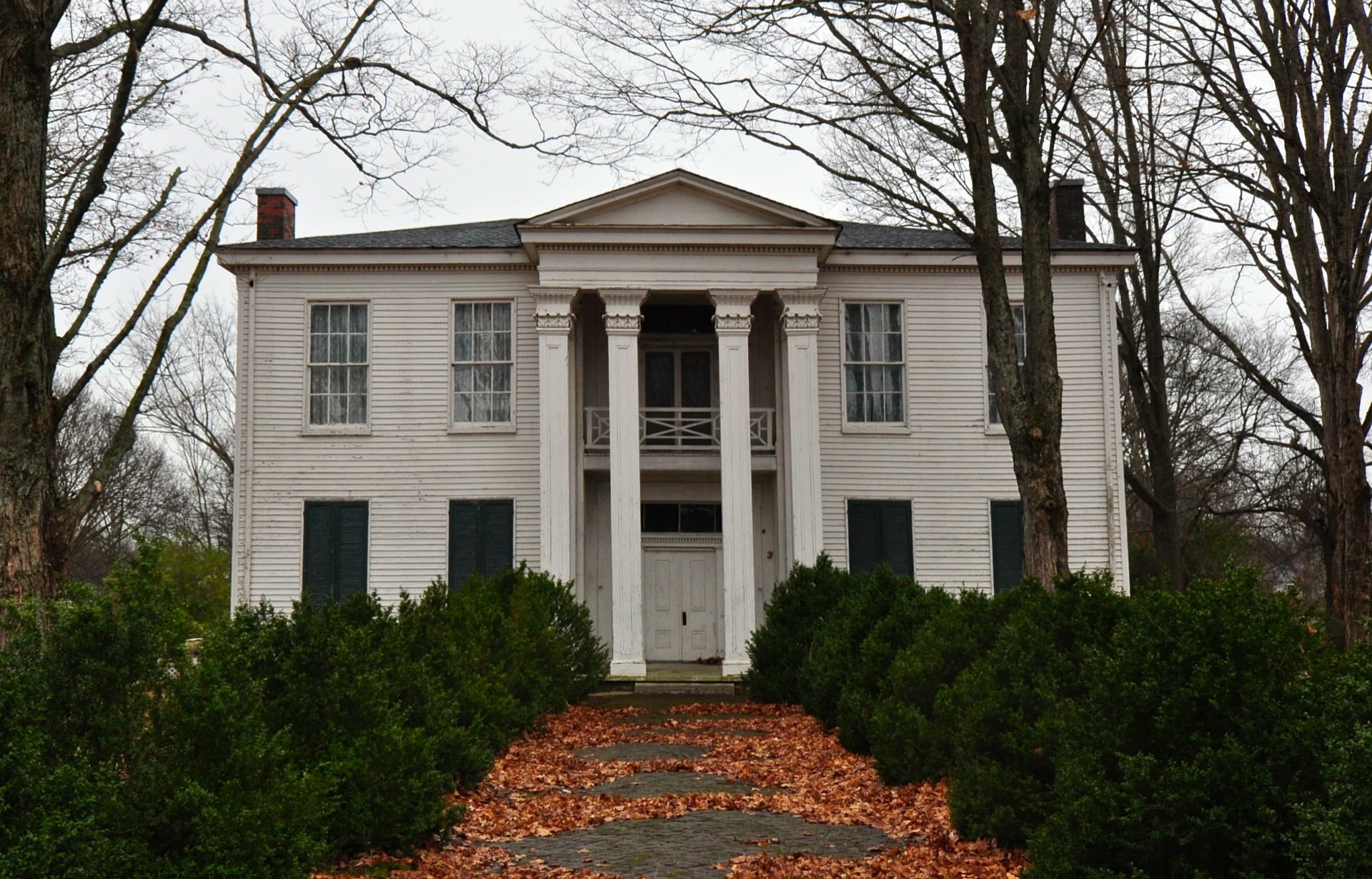
Photo: White Hall, Spring Hill, by Skye Marthaler, CC BY-SA 3.0, via Wikimedia Commons.
Common questions
Are there assumable homes for sale in Spring Hill, TN?
Yes. Spring Hill homes financed with FHA or VA loans can be sold with the loan attached, and much of the city was built and bought in the last 15 years, when rates were far lower than today. Listings change every week, so ask a local agent for the current ones.
What is an assumable mortgage?
It's a loan the buyer takes over from the seller, keeping the seller's balance, rate and remaining term. All FHA-insured mortgages are assumable, and VA loans are assumable. Most conventional loans aren't. The buyer still has to qualify with the seller's loan servicer.
Do I have to be a veteran to assume a VA loan?
No. The VA requires the loan to be current, the buyer to take on full liability, and the buyer to be creditworthy. If the buyer isn't a veteran substituting their own entitlement, the seller's entitlement stays tied to the loan until it's paid off.
How long does a loan assumption take?
On a VA loan, a servicer with automatic authority has 45 calendar days from a complete application to decide. On an FHA loan, HUD's current handbook sets no deadline, and the servicer has to underwrite the buyer by hand. Plan a longer closing than a normal purchase.
How do I pay the equity gap on an assumable home?
With cash, with a second loan that sits behind the assumed loan, or a mix of both. The gap is the price minus the loan balance. For example, a $475,000 home with a $300,900 loan balance leaves a gap of about $174,100. Compare the blended payment on both loans to one new loan before you make an offer.
Why does Spring Hill have so many assumable loans?
Spring Hill's housing is young. According to Point2Homes, about 38% of its homes were built from 2010 to 2019 and another 8.9% since 2020, so many owners bought or refinanced when rates were much lower. When those loans are FHA or VA, the rate can go with the house.
Check out this article next