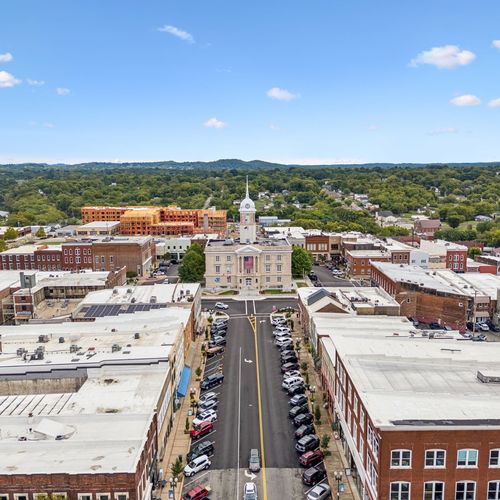


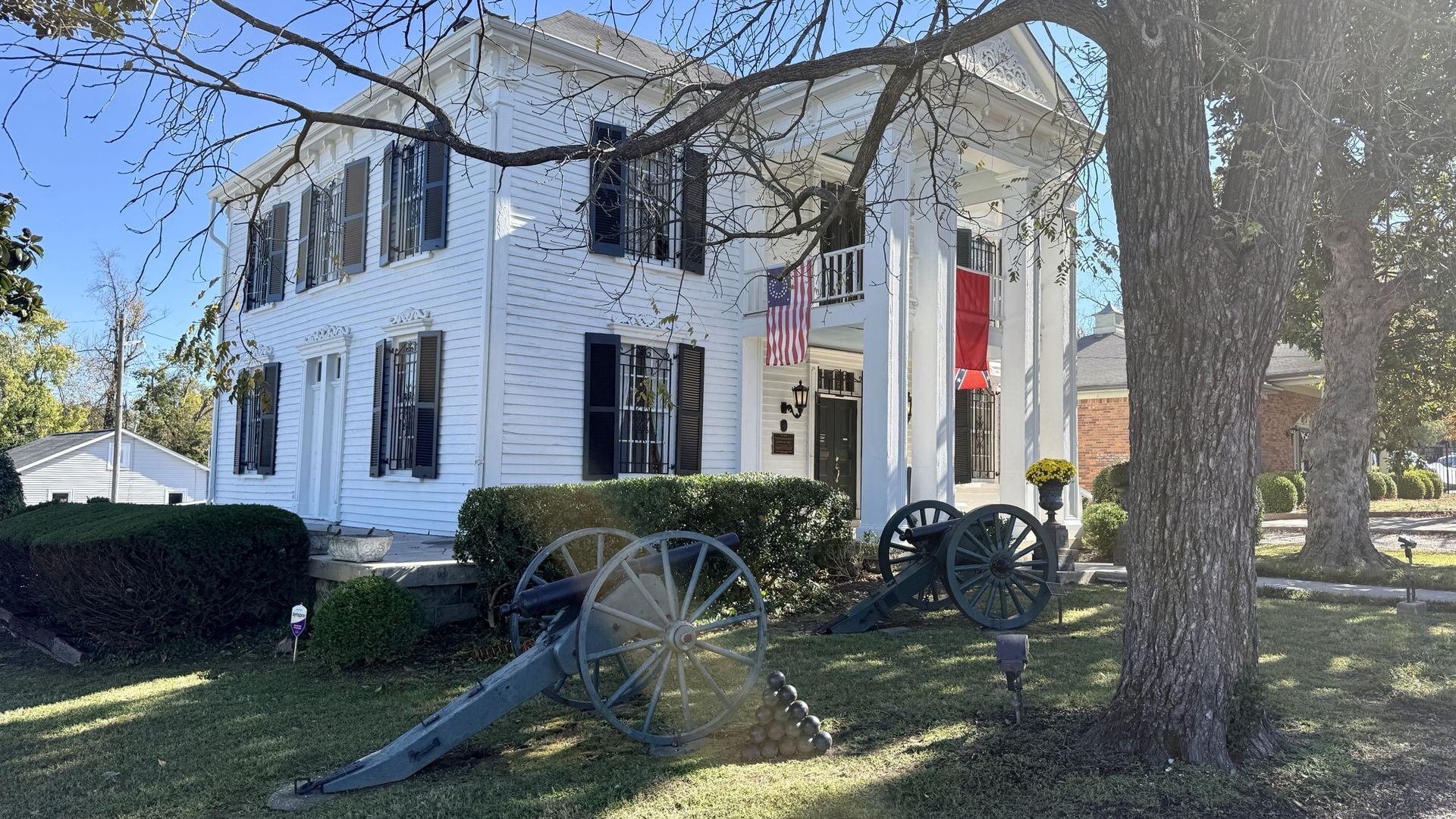
Quick answer (as of November 2026) A "historic" home in Tennessee can mean two very different things. A house listed in the National Register of Historic Places carries an honor, not a rulebook: the Tennessee Historical Commission says listing places no restrictions on what a private owner does with the property. A house inside a local historic district is different. In Franklin, Columbia and Nashville, most exterior work in a local district needs approval from the city's historic zoning commission before it starts. Find out which one applies before you write an offer. Tennessee has more than 2,000 National Register entries, with at least one in every county.
The listing says "historic," and the porch and the original floors sold you before you got to the kitchen. What the listing doesn't say is whether you can replace those windows, add a garage or paint the brick.
I own a historic home in Columbia's downtown historic district that I renovated and restored, so I've been through the permits and the commission from the owner's side. Price the work you want to do before you price the offer. I've been selling real estate since 2013 and investing since 2005. If you're looking at an older home in Franklin, Columbia or Nashville, DM me, text or call 615-392-1186.
What makes a home "historic" in Tennessee?
Usually one of two designations, and they work very differently:
| National Register of Historic Places | Local historic district or overlay | |
|---|---|---|
| Who sets it | The National Park Service, with the Tennessee Historical Commission running the program in Tennessee | The city or county, by ordinance |
| What it means for an owner | An honorary designation. No restrictions on what a private owner does with the property, and no permission needed to do work | Design review. Most exterior work needs approval before it starts, under the district's design guidelines |
| Can the owner tear it down? | Listing alone doesn't prevent it | Demolition needs approval in Franklin, Columbia and Nashville's districts |
| Money that can come with it | May make an owner eligible to apply for preservation grants or the federal rehabilitation tax credit, under certain conditions | Depends on the city |
A house can be both. Several of Franklin's local districts are also National Register districts, and only the local designation brings design review.
Does National Register listing restrict what I can do to my house?
No. The Tennessee Historical Commission says listing in the National Register is an honorary designation that doesn't restrict what an owner can do with the property, doesn't require the owner to maintain it or open it to the public, and doesn't require the Commission's permission for work. The National Park Service says the same: listing places no federal restrictions on a private owner, who can do as they wish within local laws. Two cautions from the Commission: check with your city or county for any historic zoning or overlay, and know that a property that changes too much can lose its listing. It recommends following the Secretary of the Interior's Standards for any work.
What is a local historic district, and how does design review work?
A local historic district is a zoning overlay a city adopts by ordinance, with a commission that reviews changes under written design guidelines. The Tennessee Historical Commission helps cities write historic zoning ordinances, set up districts and design guidelines, and become Certified Local Governments, so the rules vary town by town. Here's how the three cities I work in handle it:
| City | Local districts | What needs approval |
|---|---|---|
| Franklin | Seven local historic districts, which together with the city's local landmarks make up the Historic Preservation Overlay | Most exterior work needs a Certificate of Appropriateness from the Historic Zoning Commission (or city staff for some minor items), under design guidelines in effect since May 30, 2022 |
| Columbia | Five local historic overlay districts | Exterior work beyond routine maintenance needs a Certificate of Appropriateness, under design guidelines adopted June 11, 2026 |
| Nashville | Six types of Metro historic overlay, from Neighborhood Conservation to Historic Preservation and Historic Landmark | A preservation permit, issued before the building permit. In a Neighborhood Conservation overlay it covers new construction, additions, demolition and moving a building; in a Historic Preservation overlay it also covers most exterior alterations. Metro charges no fee for the preservation permit itself |
For Franklin's seven districts, the styles you'll see and the full list of what needs a Certificate of Appropriateness, read my downtown Franklin historic homes guide. For Columbia, see downtown Columbia and the historic district.
How do I find out if a Tennessee house is historic?
Check both designations, by address:
- National Register. Search the address on the Tennessee Historical Commission's Viewer or its National Register listings spreadsheet, or ask the Commission's National Register staff.
- Local district. Check the city's own map. Franklin publishes a Historic Resources Map that shows its local and national districts. In Nashville, ask the Metro Historic Zoning Commission. In Columbia, ask the city's planning office.
- The listing and the deed. Neither one reliably tells you. A house can sit in a local district without the listing saying so.
I run these checks on every older home before you write an offer.
Can I get a tax credit for restoring a historic home in Tennessee?
Not for a home you live in. The federal historic tax credit is 20 percent for a certified historic structure, but the Tennessee Historical Commission says owner-occupied homes don't qualify. The building has to be used for an income-producing purpose, such as a rental, for at least five years after the work. The building must be listed in the National Register or certified as contributing to a registered historic district, the work has to meet the Secretary of the Interior's Standards, and the project has to pass the "substantial rehabilitation" test: the rehabilitation has to cost more than the greater of $5,000 or the building's adjusted basis. The Commission asks owners to contact it before starting.
Tax figures on this page are the federal rules as published for 2026 and are for planning only. I am a licensed Realtor (TREC 369038), not a tax professional or a lender. Confirm your own situation with a CPA, and any borrowing limit with your lender, before you rely on a number.
What should I check before buying an older home?
- Lead paint. For most homes built before 1978, the seller has to disclose known lead-based paint and hazards before you sign, and you get a 10-day period for a lead inspection or risk assessment unless you and the seller agree in writing to change or waive it, per the EPA.
- The district. Which local district, if any, and what its guidelines say about the work you plan.
- The work you want to do. Get a contractor's number on the windows, roof, porch or addition before you set your offer, and ask what the commission is likely to approve.
- Insurance. The National Park Service suggests checking with the state insurance commissioner on insuring a National Register property; get a quote on the specific house early.
Where are historic homes for sale in Middle Tennessee?
Mostly in and around the old town centers. In Franklin, that's the blocks around the Public Square and districts like Hincheyville and Lewisburg Avenue. In Columbia, it's the streets around the courthouse square and the Athenaeum district. In Nashville, it's the neighborhoods under a Metro historic overlay. Start with the town guide:
- Downtown Franklin historic homes
- Downtown Columbia and the historic district and Columbia homes for sale
- Nashville homes for sale
Send me the address of the older home you're looking at and I'll check the National Register, the local district and what the guidelines would mean for your plans. DM me, text or call 615-392-1186.
Common questions about historic homes in Tennessee
Can I renovate a house on the National Register in Tennessee?
Yes. The Tennessee Historical Commission says National Register listing doesn't restrict what an owner does with the property or require its permission for work. Local historic zoning is separate, so check with the city or county first.
Do I need permission to change a house in a historic district in Franklin, TN?
For most exterior work, yes. In Franklin's Historic Preservation Overlay, most exterior changes need a Certificate of Appropriateness from the Historic Zoning Commission, or from city staff for some minor items, before the work starts.
Is there a tax credit for restoring a historic home I live in?
No. The federal 20 percent historic tax credit applies only to income-producing buildings, and the Tennessee Historical Commission says owner-occupied homes don't qualify. Talk to a tax professional about your situation.
How many National Register properties are in Tennessee?
More than 2,000 entries, per the Tennessee Historical Commission, with at least one in every county.
Check out this article next