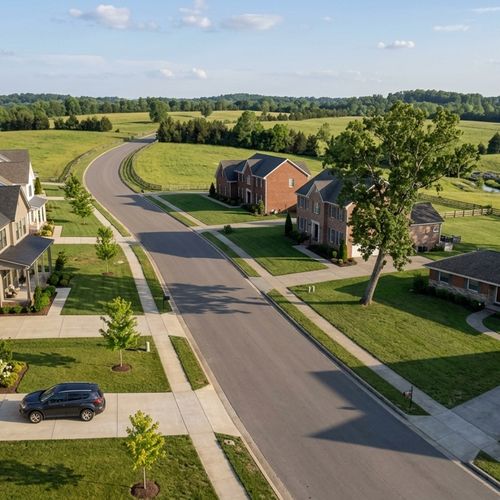


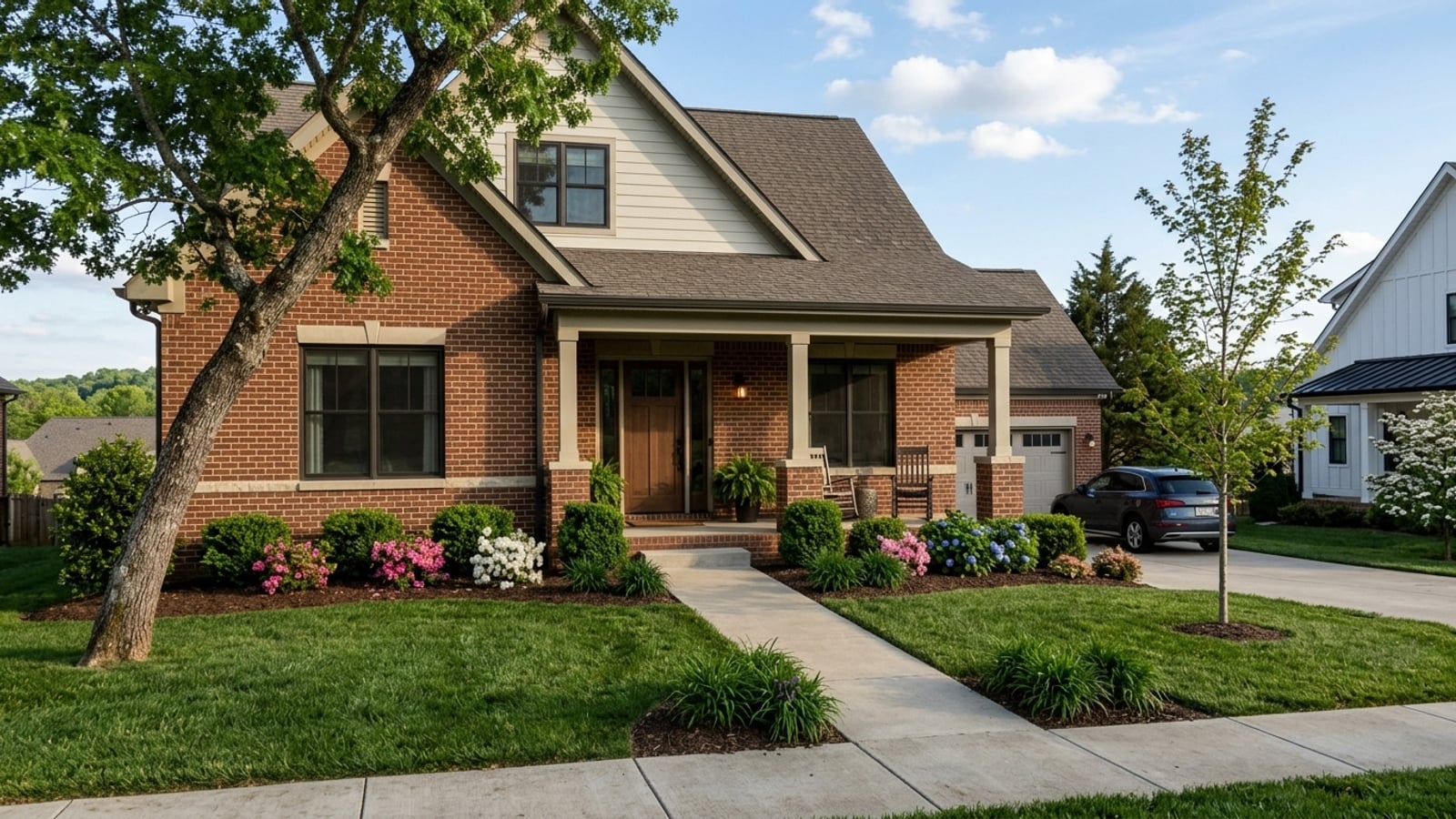
The median home price in Thompson's Station, TN sits around $829,000 right now. At that number, buyers aren't signing contracts on faith - they want to know exactly what they're getting from anyone selling a home in Thompson's Station, TN. That's where the seller disclosure comes in.
Sellers in Williamson County have specific legal obligations when they list a home. A complete residential property disclosure protects both sides from post-closing disputes and keeps the transaction where it needs to be: compliant with state law.
Homes here are spending roughly 64 days on the market, which gives sellers a reasonable window to pull together the necessary paperwork before an offer lands on their desk. Knowing what to disclose - and when to hand over the forms - keeps everything moving without anyone having to pump the brakes at an inconvenient moment.
What a Seller Disclosure Statement Is
A seller disclosure statement is a formal document laying out the known condition of a residential property. It covers defects, past repairs, and system statuses - the things a buyer needs to review before they commit.
In Tennessee, you'll hear this called the Seller Property Disclosure (SPD) or the Residential Property Condition Disclosure. It applies to sellers of residential properties with one to four dwelling units.
What the Form Means in Tennessee
This isn't optional paperwork. Providing the disclosure is a statutory requirement under the Tennessee Residential Property Disclosure Act, which requires sellers to share known material defects in writing with prospective buyers.
It's also not a warranty, and it's not a substitute for an independent home inspection. It represents what the seller knows about the property at the time of the sale - nothing more, nothing less.
How These Forms Protect Buyers and Sellers
Buyers use the disclosure to make informed decisions about their offers and to budget for what's coming down the road. If you know the roof is 15 years old, you can plan for a replacement instead of being blindsided by one.
For sellers, the form functions as a liability shield. Document the known issues upfront, and you dramatically reduce the odds of a buyer showing up after closing claiming they were deceived.
Tennessee Real Estate Disclosure Laws
The rules here are codified at Tenn. Code Ann. §§ 66-5-201 through 66-5-213. The statute requires sellers to provide the written disclosure statement before a purchase contract becomes binding - not at the closing table, not the week before closing.
The law is focused on known material defects: issues the seller is aware of that could affect the home's value or safety. Sellers aren't expected to hire an inspector to hunt down unknown problems just to fill out the form.
Exemptions and As-Is Sales in Williamson County
Certain transactions are exempt from the standard disclosure requirements. Newly constructed homes that have never been occupied, or transfers between family members, often don't require the full form.
One thing that does not create an exemption: listing a home as-is. Selling as-is in Williamson County does not waive the disclosure requirement. You still have to disclose known material defects, even if you've made it explicitly clear you won't be fixing anything before closing.
Penalties for Withholding Information
Failing to disclose a known defect can have real legal consequences. Buyers who discover hidden issues after closing can pursue damages in court, and under Tenn. Code Ann. § 66-5-208, they have specific remedies for misrepresentation or fraud. The clock starts at the earlier of receiving the disclosure, closing, or occupancy - and buyers have one year from that point to file a lawsuit.
The Difference Between Condition and Price Disclosures
These two things get confused more often than you'd expect. Property condition disclosures and sale price disclosures are separate animals entirely.
Tennessee is a full-disclosure state for real estate sale prices, meaning the final recorded sale price becomes public record. It doesn't appear on the list of 12 U.S. non-disclosure states - states like Texas or Utah where sale prices can stay private. Whatever a Thompson's Station home sells for, the county tax assessor and public databases will show it.
That public price data is what helps appraisers and agents accurately value other homes in the area. It operates completely independently from the property condition disclosures the seller hands directly to the buyer.
What the Real Property Disclosure Form Covers
The standard Tennessee real property disclosure form is a multi-page checklist. Sellers work through it by indicating the condition of various property components - checking "Yes," "No," or "Unknown" for each item.
Honest answers based on current knowledge are what the form calls for. If you genuinely don't know the age of the HVAC system or the state of the foundation, the unknown option exists for exactly that reason.
Structural and Environmental Details
The form addresses structural integrity: roof, foundation, walls, windows. Sellers have to note any known settling, water intrusion, or structural shifts.
Environmental and hazard disclosures are part of it too - radon, asbestos, lead-based paint, underground storage tanks. If it's on the property and you know about it, it goes on the form.
Known Defects and Past Repairs
Ongoing issues with electrical, plumbing, or HVAC systems all require documentation. If the air conditioner fails every summer or the plumbing has a known leak, that information belongs on the form.
Past repairs count as well. If you filed an insurance claim for hail damage and replaced the roof three years ago, that event needs to be disclosed - even if the current roof is perfectly functional.
Timelines for Delivery and Buyer Responses
Timing matters here. A late disclosure can delay things or hand a buyer a reason to get cold feet. With the market currently holding about 5.2 months of supply, buyers in Thompson's Station have some leverage, and keeping their confidence intact is worth the effort of getting paperwork in front of them promptly.
When the Form is Due
Under Tenn. Code Ann. § 66-5-203, the seller must provide the disclosure to the buyer before acceptance of a real estate purchase contract. It's not a closing-table item.
Sellers also need to update the disclosure before closing if conditions change. A pipe that bursts during the escrow period isn't something you can quietly ignore - Tenn. Code Ann. § 66-5-205 requires the seller to revise the form to reflect the new damage.
Rescission Windows and Lawsuits
Tennessee has no statutory general cooling-off or rescission period for real estate purchase contracts. The three-day rescission rules buyers sometimes bring up apply to door-to-door sales and timeshares, not standard home purchases.
Whether a buyer can cancel a contract over a disclosure issue depends on what's written into their specific purchase agreement. If a misrepresentation surfaces after move-in, the buyer has one year from receipt of the form, closing, or occupancy - whichever comes first - to file a lawsuit under state law.
Frequently Asked Questions
What is a seller (residential) property disclosure in Tennessee?
It's a formal written statement detailing known material defects in a home. The Tennessee Residential Property Disclosure Act requires sellers of one-to-four-unit properties to provide this to buyers.
Is Tennessee a non-disclosure state?
No. Tennessee is a full-disclosure state for real estate sale prices. Unlike the 12 U.S. non-disclosure states, Tennessee makes the final sale price of a home public record.
When is the seller property disclosure due in Tennessee?
The disclosure is due before the acceptance of a real estate purchase contract. Sellers must also update the form before closing if the property's condition changes.
What must a seller legally disclose in Tennessee?
Sellers must disclose known material defects that affect the property - structural issues, environmental hazards, and known problems with major systems like plumbing or electrical.
Are there any specific seller disclosures required for homes in Thompson's Station, TN?
No. Thompson's Station follows the standard state requirements under Tenn. Code Ann. §§ 66-5-201 through 66-5-213. There are no separate municipal disclosure forms required just for this town.
Do I still have to provide a property disclosure if I am selling my Thompson's Station home 'as-is'?
Yes. Selling as-is does not waive the disclosure requirement. You still have to provide a written statement of known material defects to the buyer before contract acceptance.
What happens if a seller fails to disclose a known defect during a Thompson's Station real estate transaction?
The buyer can sue for misrepresentation or fraud under Tenn. Code Ann. § 66-5-208. The lawsuit must be filed within one year of receiving the disclosure, closing, or occupancy - whichever comes first.
How do public sale records impact property valuations in Thompson's Station?
Because Tennessee is a full-disclosure state, appraisers and agents rely on public sale prices to accurately value other homes in the area. A professional property valuation in Thompson's Station, TN applies this local data to help you understand your home's current market position.
Check out this article next